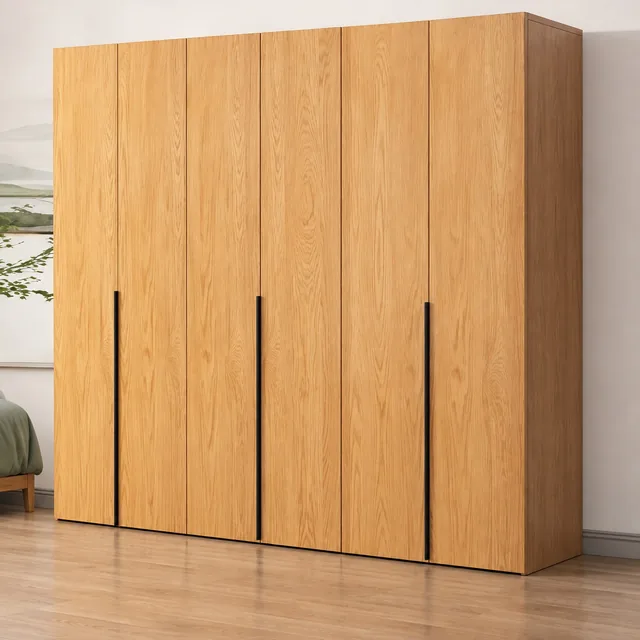
All designs
THE COLLECTIONS / 02
Bedroom storage
Wardrobes and bedside pieces for a coordinated room.
Before you shortlist
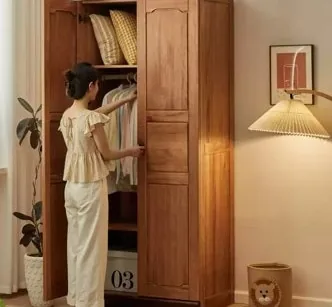
Measure the wall and the clear space in front of the unit. Compare hinged and sliding doors, then decide how much space you need for hanging and folded items.
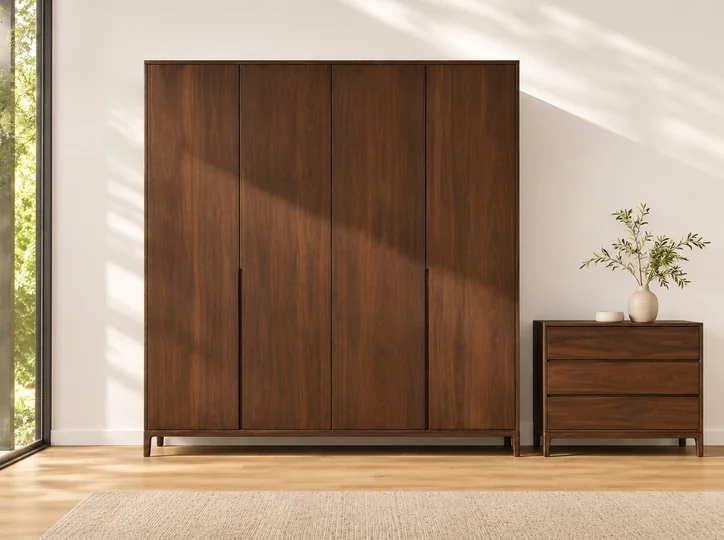
Designs shown 10
No matching designs.
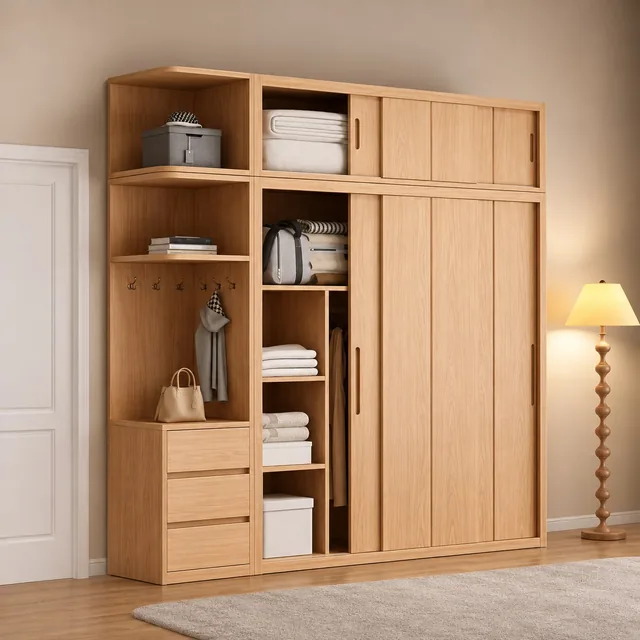
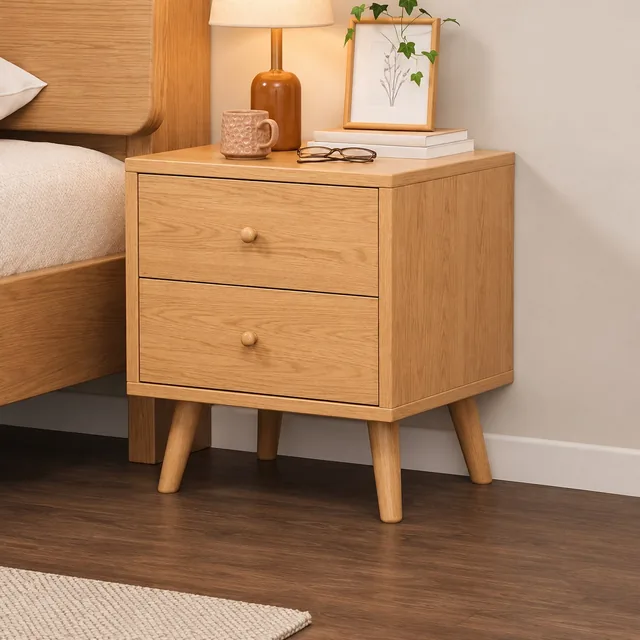

A closer look
Start with what you need to put away
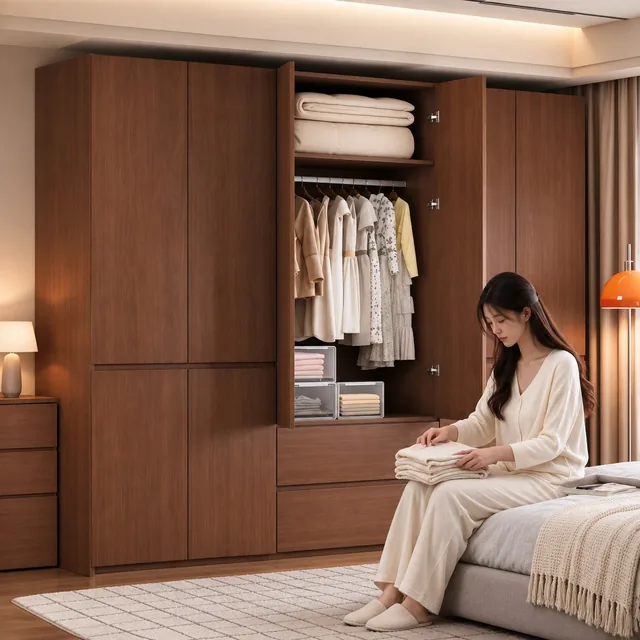
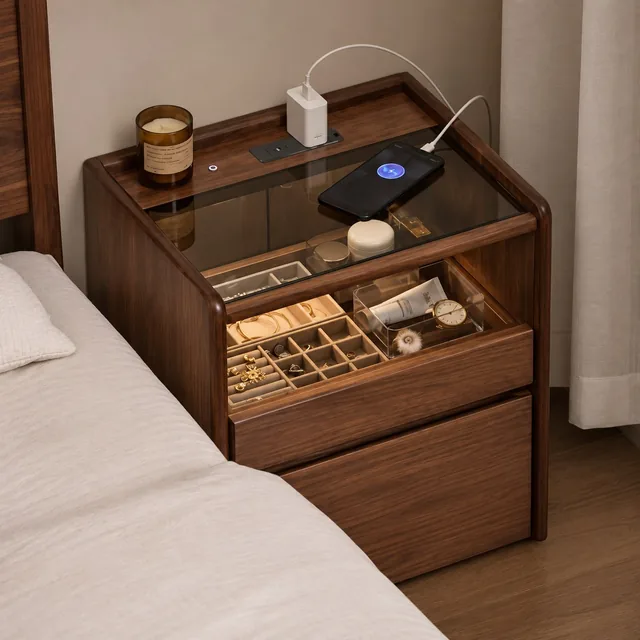
Hanging clothes, folded items and bedside essentials call for different layouts. Compare the opening method and internal arrangement before settling on the external appearance.
| Design direction | Reference design | What to compare |
|---|---|---|
| Hinged-door storage | Hinged-Door Wardrobe | Draw the full door swing beside the bed and other furniture. Ask for the internal layout and the position of shelves and hanging rails. |
| Sliding-door storage | Sliding Pine Wardrobe | Compare the cabinet depth, door overlap and access to each compartment. Confirm that internal drawers can be opened in the intended door position. |
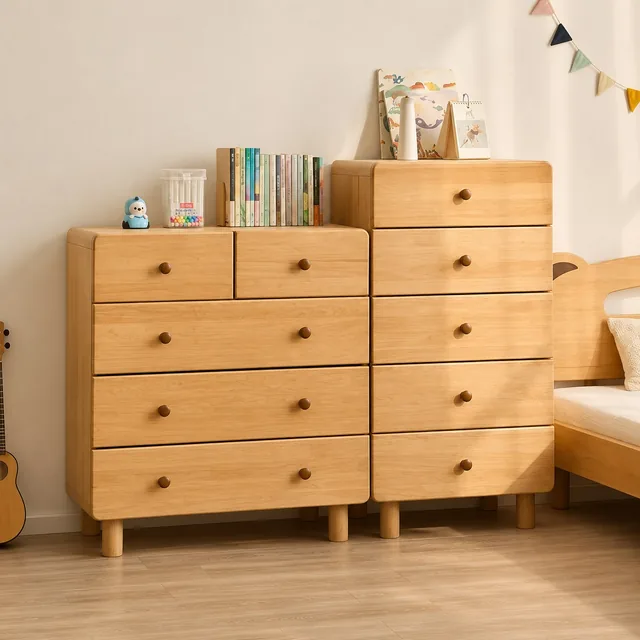
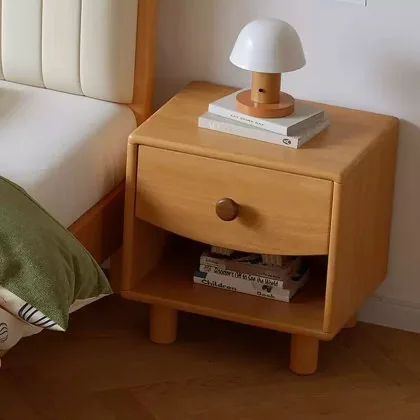
| Low drawer storage | Low Chest of Drawers | Match the drawer dimensions to the items being stored. Check the top height and the clear space needed in front of the cabinet. |
Room planning
Plan the wall, the inside and the opening space
Keeping these three views together helps you specify a cabinet that fits both the room and its contents.
Wall measurements
Record usable width, ceiling height, skirting boards and sockets. Include any doorway or curtain that shares the wall.
Internal arrangement
List long and short hanging items, folded clothing and small objects separately. Mark the preferred shelves, rails and drawers on a simple sketch.
Details for installation
Ask for assembly instructions, wall-fixing requirements and the parts supplied. Note the wall type where fixing is required.
Think in combinations
Check the cabinet and bed as one layout
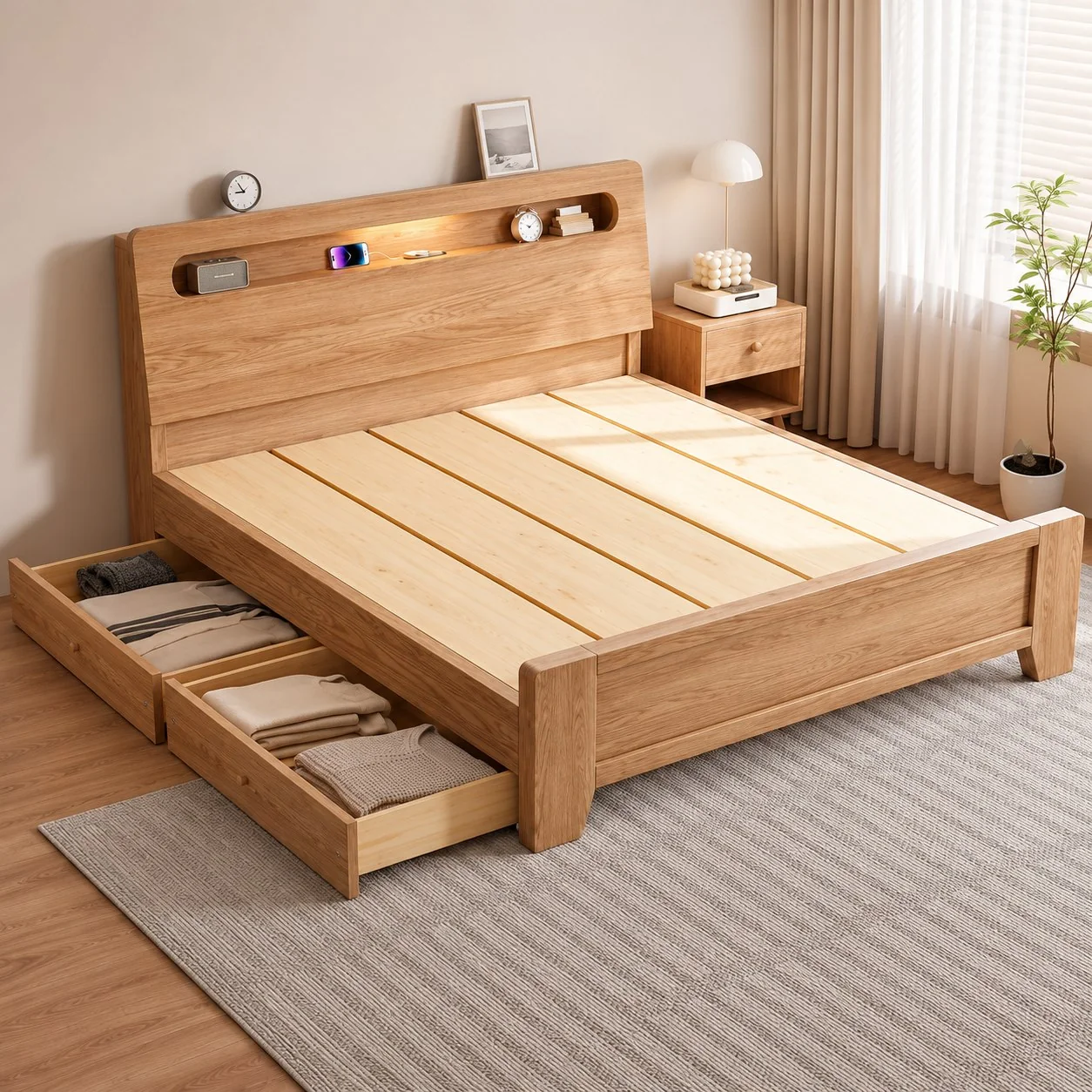
A drawer-storage bed adds another opening zone to the bedroom. Put the bed drawers and wardrobe doors on the same plan before deciding where either piece should stand.